25% OFF NEW PATIENTS APPOINTMENT. CLICK HERE TO BOOK  21922 Bellaire Blvd. Richmond, Texas 77407 5.0
 107+ Reviews

What Causes Cavities Even When You Brush?
Are you brushing your teeth every day but still getting cavities? You are not alone! Many people are surprised when their dentist discovers a cavity, even though they brush regularly and try to take good care of their teeth.
The truth is that brushing is essential for a healthy smile, but it is only one part of cavity prevention. Your brushing technique, diet, saliva production, fluoride exposure, and how well you clean between your teeth can all affect your risk of tooth decay.
At MKR Dental in Richmond, TX, we believe that understanding what causes cavities is the first step toward preventing them. Let’s explore why cavities can develop even when you brush daily and what you can do to protect your teeth.
1. You May Not Be Brushing Effectively
Brushing twice a day is important, but how you brush matters just as much as how often you brush.
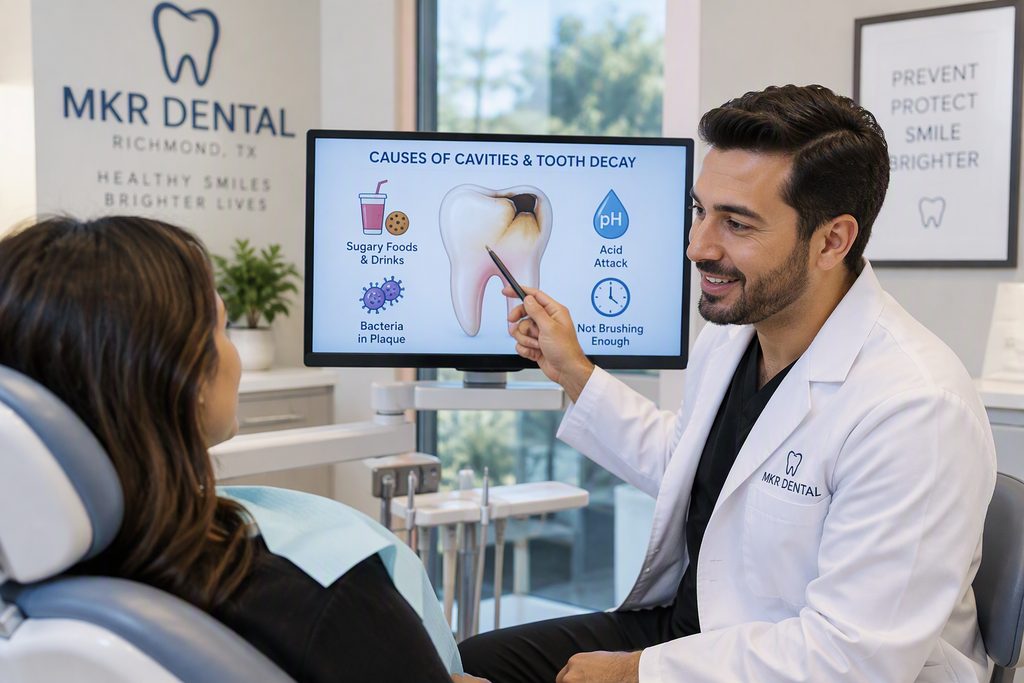
If you brush too quickly, miss certain areas, or use the wrong technique, plaque can remain on your teeth. Plaque is a sticky film of bacteria that forms on your teeth throughout the day. These bacteria use sugars from food and drinks to produce acids that weaken your tooth enamel, eventually leading to cavities.
How to prevent it:
- Brush for two full minutes, twice daily.
- Use a soft-bristled toothbrush.
- Brush gently along the gumline and all tooth surfaces.
- Use a fluoride toothpaste.
- Pay extra attention to your back teeth, where plaque can be harder to remove.
An electric toothbrush may also help you clean your teeth more effectively, especially if you have difficulty reaching certain areas.
2. You Are Not Cleaning Between Your Teeth
Your toothbrush cannot reach every surface of your teeth. The spaces between teeth are common places for cavities to develop because food debris and plaque can accumulate there.
Even if your teeth look clean and feel smooth after brushing, decay may be developing between them without you noticing.
How to prevent it:
Clean between your teeth at least once a day using dental floss or an appropriate interdental cleaner. If you have larger spaces between your teeth, your dentist may recommend interdental brushes.
Regular dental examinations and appropriate X-rays can help detect cavities between teeth before they become more extensive.
3. You Eat or Drink Sugary Foods Frequently
Sugar is one of the major contributors to tooth decay. When bacteria in your mouth break down sugar, they produce acids that attack your enamel.
The frequency of sugar exposure matters. Sipping a sweetened drink throughout the day or repeatedly snacking on candy can expose your teeth to acid attacks over and over again.
Common sources of cavity-causing sugars include:
- Soda and sweetened beverages.
- Candy, cookies, and cakes.
- Sweetened coffee and tea.
- Fruit juices and sports drinks.
- Frequent snacks containing added sugars.
Even foods that seem healthy, such as dried fruit, can contribute to tooth decay when sugars remain on your teeth.
How to prevent it:
- Reduce frequent sugary snacks and drinks.
- Choose water instead of sweetened beverages.
- Have sugary foods with meals rather than snacking on them throughout the day.
- Avoid sipping sugary drinks for extended periods.
- Rinse with water after eating when brushing is not possible.
You do not necessarily need to eliminate every sweet food. Reducing how often your teeth are exposed to sugar can make a meaningful difference.
4. You May Not Be Using Fluoride Toothpaste
Fluoride helps strengthen tooth enamel and makes it more resistant to acid attacks. It can also help repair early enamel damage before a cavity fully develops.
If you use toothpaste without fluoride, your teeth may miss out on this important protection.
How to prevent it:
Choose a fluoride toothpaste suitable for your age and dental needs. Brush twice daily and spit out the toothpaste after brushing rather than rinsing your mouth thoroughly with water immediately afterward.
If you are at high risk for cavities, your dentist may recommend additional fluoride treatments or prescription-strength fluoride toothpaste.
5. You Have a Dry Mouth
Saliva does much more than keep your mouth moist. It helps wash away food particles, neutralize acids, and supply minerals that support enamel repair.
When you do not produce enough saliva, your risk of cavities can increase significantly.
Dry mouth may be associated with:
- Certain medications, including some allergy, blood pressure, and depression medications.
- Dehydration.
- Mouth breathing.
- Some medical conditions or medical treatments.
You may notice that your mouth feels sticky, you frequently need water, or you have difficulty swallowing dry foods.
How to prevent it:
Drink water regularly, consider sugar-free gum to stimulate saliva when appropriate, and speak with your dentist if you frequently experience dry mouth. Your dentist can recommend products to help protect your teeth and may suggest discussing medication-related symptoms with your prescribing clinician.
Do not stop prescribed medication without consulting your clinician.
6. Your Teeth Have Deep Grooves and Pits
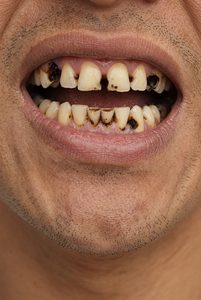
Your back teeth, especially your molars, have natural grooves and pits on their chewing surfaces. These areas can trap plaque and food particles, making them difficult to clean thoroughly.
Some people have deeper grooves than others, which can increase the likelihood of cavities in these areas.
How to prevent it:
Brush your back teeth carefully and attend regular dental checkups. Depending on your cavity risk and tooth anatomy, your dentist may recommend dental sealants. Sealants create a protective coating over the grooves of susceptible teeth and are particularly useful for many children and teenagers, although some adults may benefit too.
7. Your Gums Have Receded
When gums recede, they expose portions of the tooth roots. Unlike the crown of your tooth, which is covered by enamel, the root surface is covered by cementum and has underlying dentin.
These tissues are more vulnerable to decay than enamel. As a result, cavities can develop along exposed roots, particularly in adults with gum recession or a history of gum disease.
How to prevent it:
Use a soft-bristled toothbrush and avoid aggressive brushing. Maintain healthy gums through daily oral hygiene and regular professional care. If your roots are exposed, your dentist may recommend additional fluoride protection and other preventive measures based on your needs.
8. You Have Existing Fillings, Crowns, or Dental Work
Dental fillings and crowns can last for many years, but they do not last forever. Over time, restorations can wear, fracture, or develop areas where plaque accumulates.
Cavities can also develop around the edges of existing fillings and crowns. This is sometimes called recurrent or secondary decay.
How to prevent it:
Continue brushing with fluoride toothpaste, clean around your restorations carefully, and attend regular dental examinations. Your dentist can evaluate existing dental work and identify signs of decay or damage that may require treatment.
Having a crown or filling does not mean the tooth is permanently protected from future cavities.
9. You Brush Regularly but Skip Dental Checkups
Cavities do not always cause pain in their early stages. You may have tooth decay for some time before noticing sensitivity, discomfort, or a visible hole.
Brushing cannot remove every area of plaque, reverse every cavity, or allow you to see hidden decay between teeth.
Professional dental examinations help identify problems that may not be obvious at home. When clinically indicated, dental X-rays can help detect decay between teeth or beneath existing restorations.
How to prevent it:
Schedule dental examinations at intervals recommended for your individual oral health needs. Your dentist can identify areas where you are more vulnerable to cavities and recommend preventive care tailored to you.
10. Your Mouth’s Natural Conditions May Increase Your Risk
People do not all have the same risk of developing cavities. Differences in saliva production, tooth anatomy, enamel quality, oral bacteria, and other factors can influence how easily tooth decay develops.
Some people may also have a history of frequent cavities, making consistent preventive care especially important.
Although you cannot control every factor, you can reduce your risk by combining good brushing and flossing habits with fluoride protection, a tooth-friendly diet, and professional dental care.
How Can You Prevent Cavities Even If You Are Prone to Them?
The good news is that you can take practical steps to protect your teeth, even if you have experienced cavities despite brushing regularly.
Here is a simple daily prevention routine:
- Brush twice daily: Use fluoride toothpaste for two minutes each time.
- Clean between your teeth daily: Use floss or another suitable interdental cleaner.
- Drink more water: Water helps rinse away food debris and supports hydration.
- Limit frequent sugar exposure: Reduce sugary snacks and avoid sipping sweetened beverages throughout the day.
- Protect your enamel: Ask your dentist whether additional fluoride or dental sealants may help.
- Keep up with dental visits: Professional examinations and cleanings help identify risks and detect problems early.
- Address dry mouth: Tell your dentist if your mouth frequently feels dry.
- Do not ignore warning signs: Tooth sensitivity, pain, or visible changes deserve dental evaluation.

Remember, the goal is not simply to brush more often. It is to use the right techniques and combine them with habits that protect your teeth throughout the day.
Frequently Asked Questions
Can I get cavities if I brush twice a day?
Yes. Cavities can still develop if you miss certain areas, do not clean between your teeth, consume sugary foods frequently, have dry mouth, or have other risk factors. Brushing twice daily with fluoride toothpaste significantly helps reduce risk, but it does not eliminate it completely.
Why do I keep getting cavities in the same teeth?
Repeated cavities may be associated with deep grooves, plaque accumulation, difficulty cleaning certain areas, exposed roots, or decay around existing restorations. Your dentist can examine these areas and help identify the underlying cause.
Can cavities go away by themselves?
Very early tooth decay that has not yet formed a hole in the tooth may be stopped or sometimes reversed through remineralization, fluoride, and improved oral hygiene. However, once a cavity has formed a hole, it generally requires dental treatment to restore the damaged tooth.
Does brushing harder prevent cavities?
No. Brushing harder does not necessarily clean your teeth better and may contribute to gum recession or tooth wear. Use a soft-bristled toothbrush, gentle pressure, and the correct technique.
How often should I visit the dentist?
The appropriate interval depends on your oral health, cavity history, gum health, and other risk factors. Many patients benefit from checkups every six months, while some may need more frequent visits. Your dentist can recommend a schedule that suits your needs.
Protect Your Smile With MKR Dental in Richmond, TX
Getting cavities even when you brush can be frustrating, but it does not mean you are failing to care for your teeth. It may mean that you need a different brushing technique, better cleaning between your teeth, additional fluoride protection, or help identifying an underlying risk factor.
At MKR Dental, we believe in treating every patient like family. We take the time to understand your dental concerns, explain your treatment options, and help you develop a personalized plan for a healthier smile.
If you have been experiencing repeated cavities or it has been a while since your last dental examination, we are here to help.
Schedule your dental appointment today!
MKR Dental
21922 Bellaire Blvd, Suite 400
Richmond, TX 77407
Phone: (281) 698-0894
Website: www.mkrdental.com
We treat you as family.