25% OFF NEW PATIENTS APPOINTMENT. CLICK HERE TO BOOK  21922 Bellaire Blvd. Richmond, Texas 77407

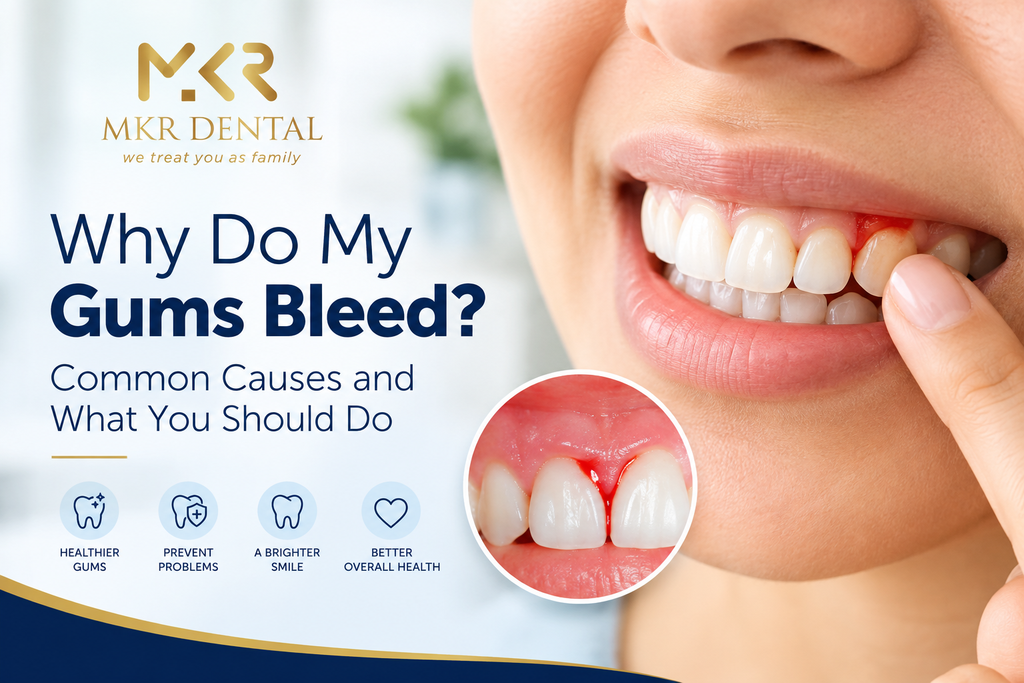
Why Do My Gums Bleed? Common Causes and What You Should Do
Have you ever noticed your gums bleeding when you brush or floss your teeth? You may have wondered, “Why do my gums bleed?” or assumed that you are simply brushing too hard.
While occasional bleeding can have several causes, bleeding gums are not something you should routinely ignore. In many cases, bleeding is a sign that your gums are inflamed or irritated. It can be an early warning sign of gum disease, which can become more serious if left untreated.
The good news is that many causes of bleeding gums can be treated, especially when they are identified early.
What Causes Gums to Bleed?
There are several reasons why your gums may bleed. Some are related to your daily oral hygiene, while others may require evaluation and treatment by a dentist.
1. Gingivitis
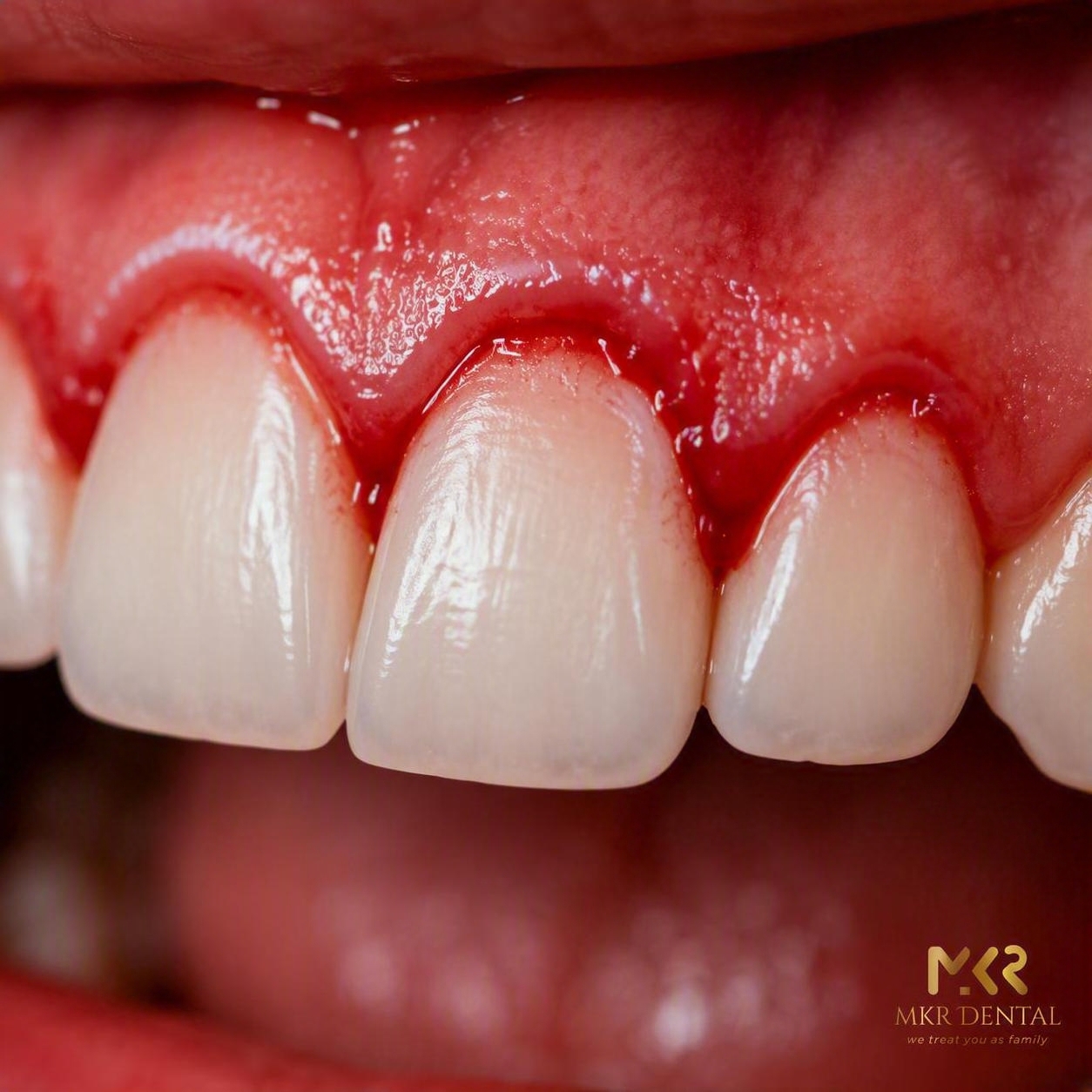
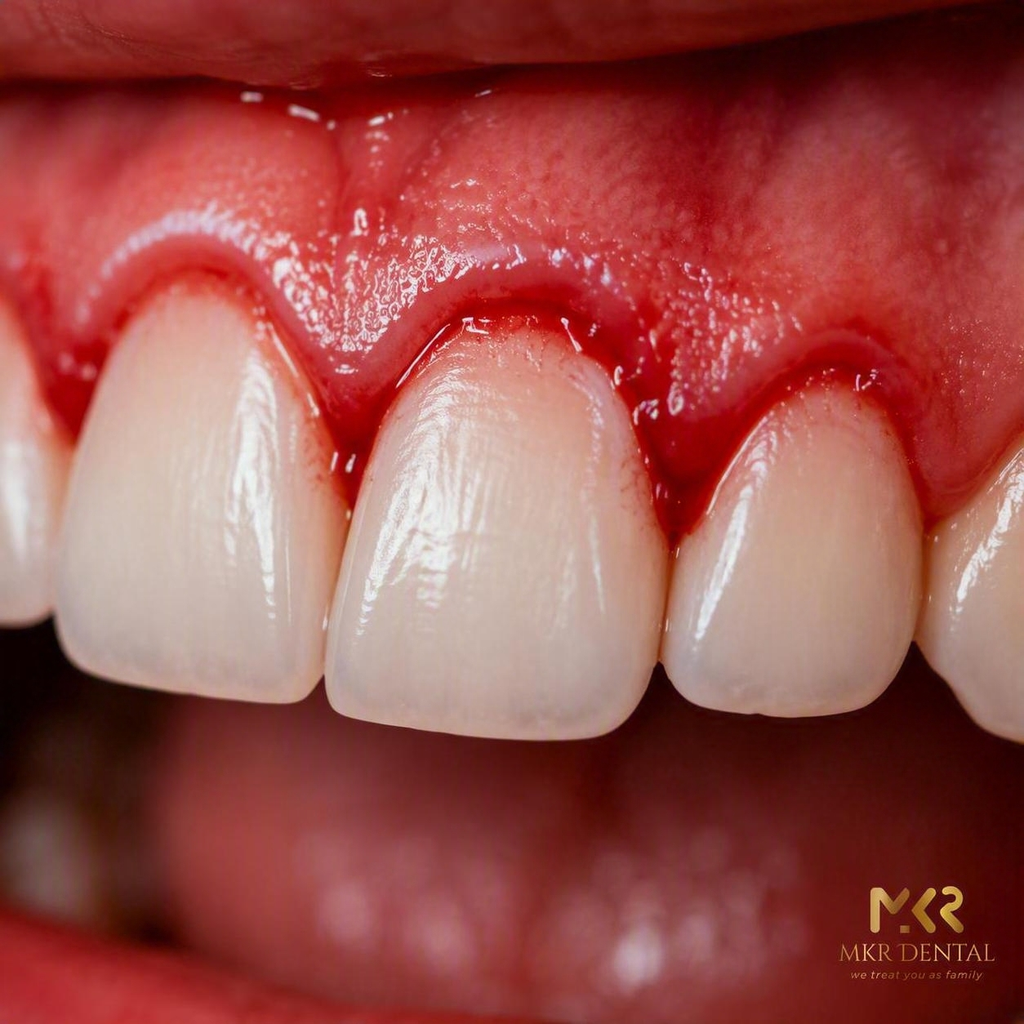
One of the most common causes of bleeding gums is gingivitis, the earliest stage of gum disease.
Gingivitis occurs when plaque—a sticky film containing bacteria—builds up along the gumline. The bacteria can irritate the gums, causing them to become:
- Red
- Swollen
- Tender
- More likely to bleed when brushing or flossing
The good news is that gingivitis is often reversible with improved oral hygiene and appropriate professional dental care.
2. Periodontitis (Advanced Gum Disease)
If gingivitis is not treated, it can progress to periodontitis, a more advanced form of gum disease.
Periodontitis affects not only the gums but also the tissues and bone that support your teeth. Symptoms may include:
- Persistent bleeding gums
- Swollen or tender gums
- Persistent bad breath
- Gum recession
- Teeth that appear longer than they used to
- Loose or shifting teeth
- Changes in the way your teeth fit together
- Pus around the gums
Periodontitis can cause permanent damage to the supporting structures of your teeth. Early diagnosis and treatment are important for controlling the disease and protecting your natural teeth.
3. Not Flossing Regularly
If you recently started flossing after not doing it for a long time, you may notice some bleeding.
This can happen because plaque and bacteria have accumulated between your teeth and irritated your gums. Bleeding when you start flossing does not necessarily mean you should stop flossing.
With consistent, gentle flossing and proper brushing, the inflammation may improve.
However, if your gums continue to bleed regularly despite good oral hygiene, you should have them evaluated by a dentist.
4. Brushing Too Hard
Brushing harder does not necessarily mean brushing better.
Using excessive pressure or a hard-bristled toothbrush can irritate your gums and contribute to bleeding or gum recession.
Instead, use a soft-bristled toothbrush and gentle, controlled movements. Your goal is to remove plaque—not scrub your gums.
5. Plaque and Tartar Buildup
Even people who brush every day can develop plaque in areas that are difficult to clean.
If plaque remains on the teeth for too long, it can harden into tartar (calculus). Tartar cannot be effectively removed with a regular toothbrush and may contribute to persistent gum inflammation and bleeding.
Professional dental cleanings help remove deposits that cannot be removed through routine brushing and flossing.
6. Poorly Fitting Dental Work
Crowns, bridges, dentures, fillings, and other dental appliances that do not fit properly may sometimes irritate the surrounding gums.
Food and plaque can also become trapped around dental work, increasing the risk of gum inflammation.
If bleeding started after receiving a new dental restoration or appliance, let your dentist know so the area can be evaluated.
7. Smoking and Tobacco Use
Tobacco use can negatively affect your gums and increase your risk of gum disease.
Smoking can also affect the body’s ability to respond to infection and heal properly. If you use tobacco and experience bleeding, swelling, or other changes in your gums, a dental evaluation is recommended.
8. Certain Medications or Medical Conditions
Some medications can increase the tendency to bleed or affect the gums. Certain medical conditions can also contribute to abnormal bleeding or changes in oral health.
If you take medications that affect blood clotting or have a medical condition that may affect bleeding, tell your dentist about it during your dental visit.
Do not stop taking a prescribed medication simply because your gums are bleeding. Talk with your physician or dentist if you are concerned about a medication.
Is It Normal for Your Gums to Bleed When You Floss?
Many people believe that bleeding during flossing is normal, but healthy gums generally should not bleed regularly when they are gently brushed or flossed.
If your gums bleed every time you floss, it may indicate inflammation caused by plaque buildup or gum disease.
Instead of avoiding the area because it bleeds, continue to clean between your teeth gently and consistently. If the bleeding does not improve, schedule a dental examination.
Should You Stop Brushing If Your Gums Bleed?
Usually, no.
Stopping brushing because your gums bleed can allow more plaque to accumulate, potentially making the inflammation worse.
Instead:
- Use a soft-bristled toothbrush.
- Brush gently twice a day.
- Clean between your teeth daily with floss or another appropriate interdental cleaner.
- Avoid aggressive scrubbing.
- Schedule regular dental examinations and cleanings.
If your gums bleed persistently, your dentist can determine why.
When Should You See a Dentist for Bleeding Gums?
You should consider scheduling a dental appointment if your gums:
- Bleed frequently when brushing or flossing
- Remain swollen or red
- Are painful or tender
- Have started pulling away from your teeth
- Repeatedly cause bad breath
- Appear to be receding
- Have pus around the teeth
- Are accompanied by loose or shifting teeth
You should also seek professional evaluation if the bleeding is significant, persistent, occurs without an obvious cause, or is accompanied by other unusual symptoms.
How Can You Prevent Bleeding Gums?
Good oral hygiene is one of the best ways to protect your gums.
Brush twice a day
Brush your teeth for about two minutes twice a day using fluoride toothpaste and a soft-bristled toothbrush.
Clean between your teeth
Brushing alone does not effectively clean every surface between your teeth. Floss or use an appropriate interdental cleaner every day.
Don’t brush too aggressively
Gentle brushing is more effective and safer for your gums than aggressive scrubbing.
Maintain regular dental visits
Professional dental examinations and cleanings allow your dentist to identify gum inflammation, cavities, tartar buildup, and other problems before they become more serious.
Avoid tobacco
If you smoke or use other tobacco products, consider quitting. Your dentist or physician can provide resources to help.
Can Bleeding Gums Be Treated?
Yes. Treatment depends on the cause and severity of the problem.
If bleeding is caused by gingivitis and plaque buildup, improving your oral hygiene and receiving a professional cleaning may be enough to restore your gums to health.
If you have periodontal disease, you may need more extensive periodontal treatment, such as scaling and root planing (deep cleaning), along with an ongoing periodontal maintenance program.
Your dentist will evaluate your gums, measure periodontal pockets when appropriate, and determine the treatment that is best for your individual situation.
Don’t Ignore Bleeding Gums
Bleeding gums may seem like a minor problem, but they can be your body’s way of telling you that something is wrong.
Healthy gums should generally not bleed regularly. If your gums bleed whenever you brush or floss, don’t simply assume that it is normal. An examination can help determine whether the cause is simple gum inflammation or a more serious periodontal problem.
The earlier gum disease is identified, the easier it is to manage and treat.
Are Your Gums Bleeding?
If you are experiencing persistent bleeding, swollen gums, bad breath, gum recession, or other concerns about your oral health, MKR Dental can evaluate your gums and help you determine the appropriate treatment.
MKR Dental
21922 Bellaire Blvd, Ste 400
Richmond, TX 77407
Phone: (281) 698-0894
Website: www.mkrdental.com
We treat you as family.